

 Brianna Fox-Priest
July 29, 2025
Brianna Fox-Priest
July 29, 2025 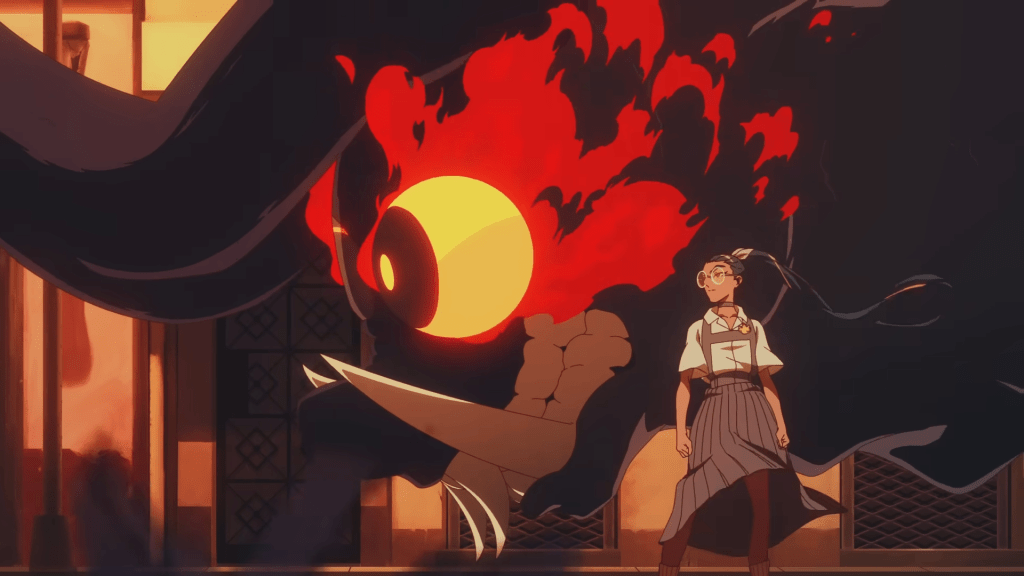
Anime has become a medium to drive conversation, connect cultures, and reformat media as we know it. Animation studios across the globe have found influence through Japanese animation styles and storytelling, and have hit the ground running by using that influence to create their own stories. A prominent example includes LeSean Thomas, the Bronx-native director who worked with Studio Satelight and MAPPA on Cannon Busters and Yasuke.
Now, most recently, a bold new project is emerging out of South America. Titled Apukunapa Kutimuyñin—which translates from Quechua as “The Return of the Gods”—this Peruvian-inspired animation fuses the depth of Andean mythology with the visual language of Japanese anime. The series is the debut production of Ninakami, a Lima-based animation studio founded in 2021, and it marks a milestone not just for Latin American animation, but for anime as a global medium.
Rooted in rich Indigenous storytelling, Apukunapa Kutimuyñin introduces a pantheon of characters drawn directly from Andean cosmology: Inti, the sun god; Illapa, the god of thunder; Pachamama, the revered earth mother; Mallki, an Incan mummy; Nina, the fire goddess; and Torito de Pucará, a mythical bull. At the center is Sisa, a young protagonist caught in a battle between gods and humans in a modern world teetering between history and upheaval.
Though the series is still in early development, Ninakami has ambitious plans—two seasons of 12 episodes each, with the potential for a feature-length film in the future. The studio hopes its efforts will inspire a new generation of Latin American creatives to pursue storytelling from home. As director Sergio Ferrari told Remezcla, “We want young Latin American artists to know that they don’t have to emigrate to achieve their dreams. They can do it from home with training, structure, and respect.”
The production is truly international: some animators are based in Japan, post-production is being handled in Uruguay, and the voice cast is working in Peru. Its theme song, Pampachay (QOYLLURIT’I), is composed by L E N I N, the creator of Quechua pop—or Q-pop—a genre blending K-pop stylings with lyrics in the Indigenous Quechua language, which is still spoken by over 10 million people across Latin America.
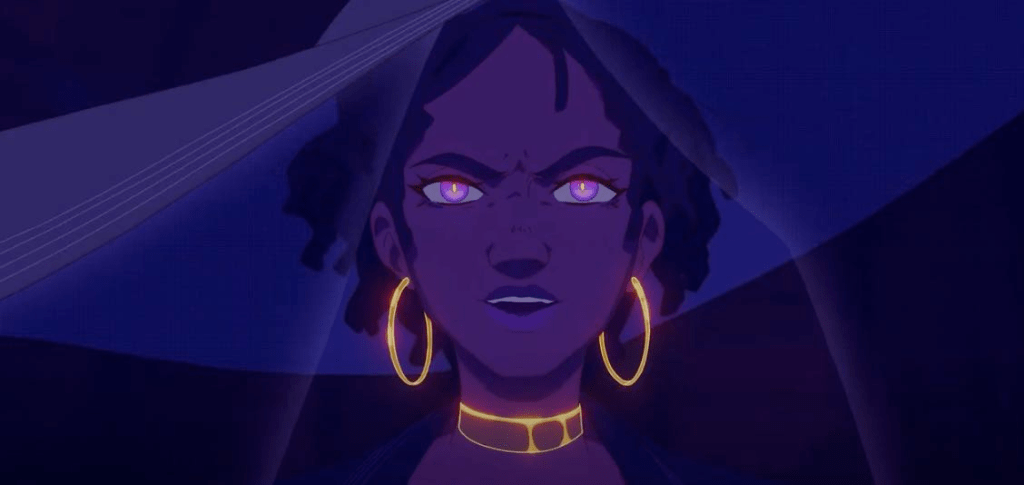
“Qoyllurit’i is the first song we worked on with a foreign team, @pnkradioofficial, and despite having a direct Quechua influence, when it came to us, it ended up transforming into the musical experience you’ve seen now. Q’pop is a project I’ve been working on since July 2022. For me, it’s a platform that allows me to explore my Andean identity and musical influences,” said L E N I N on their Instagram post.
This fusion of cultural storytelling and global animation is already getting international attention. Apukunapa Kutimuyñin will be featured at the Peru Pavilion during the Osaka Expo 2025. “It’s a testament to our country’s immense creative talent and how art can bridge cultures,” Ninakami shared on Instagram.
The trailer will be screened in the Peru-Japan link area—a space dedicated to friendship between the two nations. With projects like Apukunapa Kutimuyñin, anime inspiration continues to evolve beyond national borders, becoming a truly global language of myth, identity, and imagination.

